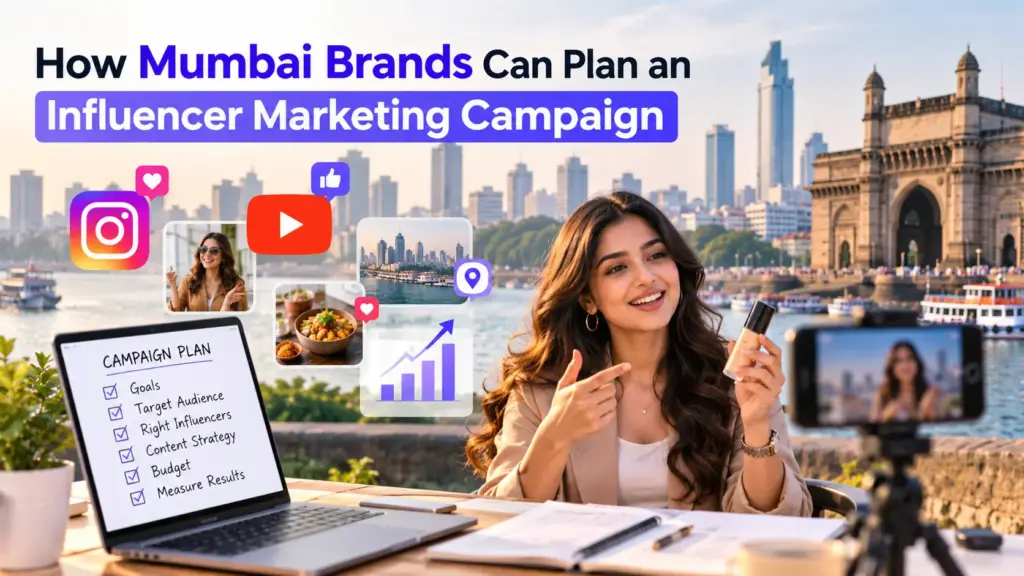
Mumbai is a competitive market where brands across fashion, beauty, food, technology, entertainment, and e-commerce compete for consumer attention. Influencer marketing allows businesses to reach relevant audiences through creators who share product experiences, useful information, and engaging stories. However, a successful campaign requires more than choosing popular social media profiles. Brands need a clear strategy, suitable creators, compelling content, realistic budgets, and measurable goals.
For businesses preparing a campaign, an influencer marketing agency in Mumbai may help coordinate creator discovery, content production, and campaign reporting. A Mumbai-based influencer marketing partner can also help brands organize collaborations around their objectives, target audience, and preferred platforms. Understanding the campaign process first makes it easier to set priorities and evaluate results.
Before approaching creators, decide what your campaign needs to achieve. Clear objectives help determine which influencers to approach, what content to create, and which metrics to monitor.
Common goals include:
For example, a Mumbai restaurant may prioritize local awareness and reservations, while an online fashion store may focus on product discovery and sales. Choose one primary objective and a few supporting metrics before launching the campaign.
Understanding your audience is essential for creating relevant creator partnerships. Mumbai includes varied consumer groups with different interests, languages, spending habits, and purchasing preferences.
Research your ideal customers by considering:
Businesses serving specific neighbourhoods may consider audiences in Bandra, Andheri, Powai, Thane, or Navi Mumbai, depending on where their customers live. A local café, for example, may benefit more from creators whose followers live nearby than from a national creator whose audience is geographically dispersed.
This is where hyperlocal influencer marketing can help businesses communicate with relevant communities rather than focusing only on overall follower numbers.
The best creator is not necessarily the one with the largest following. Brands should evaluate audience relevance and content quality. Exploring how brands use influencer marketing on social media can help businesses understand how creators support different campaign objectives.
| Influencer category | Potential campaign objective |
| Nano influencers | Niche communities and local engagement |
| Micro influencers | Targeted product discovery |
| Macro influencers | Wider brand awareness |
| Celebrity influencers | Large-scale visibility |
| Regional creators | Language-specific audience engagement |
For example, a skincare business may collaborate with beauty creators who regularly demonstrate products, while a fitness brand may work with trainers who create educational videos.
Evaluate influencer engagement rate, audience authenticity, content quality, and alignment with your brand. A smaller but relevant audience can be more useful than a large audience with limited interest in your products.
Different platforms support different content styles and customer journeys. Your platform mix should reflect where your audience spends time and how much information it needs before taking action.
Instagram is useful for product discovery, lifestyle storytelling, short-form video, and visual campaigns. Brands can use Reels, Stories, and carousel posts to demonstrate products and communicate benefits.
YouTube supports detailed product reviews, tutorials, comparisons, and longer demonstrations. It can be particularly useful when customers need explanations before making a purchase.
UGC content creation includes product demonstrations, unboxing videos, testimonials, and creator-style advertisements. Depending on the agreed usage rights, brands may use these assets on their social accounts, websites, or paid advertising campaigns.
Rather than investing in every platform at once, start with the channels most relevant to your campaign goals.
A detailed creative brief keeps the campaign organized while giving creators enough flexibility to communicate naturally.
Your brief should include:
Possible formats include product reviews, tutorials, unboxing videos, behind-the-scenes content, Instagram Reels, and YouTube Shorts.
Allow creators to use their own storytelling style while keeping factual claims and brand messages accurate. A campaign that feels relevant to the creator’s audience is more likely to encourage meaningful interaction than content that sounds like a rigid advertisement.
Campaign costs depend on creator popularity, platform, content complexity, deliverables, usage rights, exclusivity, and campaign duration. Production expenses, product shipping, agency management, and paid media may also affect the total budget.
To plan spending effectively:
For businesses new to influencer marketing costs and budgeting, a small pilot campaign can provide useful information before a larger rollout. Avoid assuming that expensive creators automatically deliver stronger results.
Performance tracking helps brands identify which creators, messages, and platforms are contributing to campaign objectives.
Consistent messaging and relevant creator partnerships can help businesses boost brand awareness with influencer marketing while measuring reach, engagement, and other campaign results.
Important influencer marketing KPIs include:
Use UTM parameters, unique tracking links, campaign-specific discount codes, and website analytics to understand how creator activity contributes to customer actions.
For an awareness campaign, reach and relevant engagement may be important. For a sales campaign, conversions, revenue, and acquisition costs provide more direct evidence of business impact. Use the metrics that match your original goals.
Influencer collaborations should be transparent and consistent with applicable advertising requirements. Brands should review relevant Advertising Standards Council of India (ASCI) guidance and applicable platform rules before publishing sponsored content.
Check creators’ previous content, audience authenticity, and suitability for your brand. Contracts should clearly define deliverables, payment terms, approval processes, usage rights, exclusivity, and cancellation conditions.
These steps help avoid misunderstandings and support more reliable campaign execution.
InfluencerHai helps brands plan creator collaborations across different industries, platforms, and audience segments. As a top influencer marketing agency in India, InfluencerHai supports campaign planning, creator discovery, content coordination, and performance measurement.
Its influencer marketing services can help businesses organize creator campaigns around their marketing goals. Brands combining creator content with paid promotion can also explore performance marketing services to support advertising and campaign evaluation.
For Mumbai businesses, the process should begin with a clear brief covering the target audience, budget, campaign objectives, platforms, and expected deliverables. This gives the team a practical foundation for selecting creators and coordinating the campaign.
Planning an influencer marketing campaign in Mumbai involves audience research, careful creator selection, platform planning, budgeting, and performance measurement. Businesses should prioritize relevant creators and useful content instead of choosing partners solely by follower count.
By setting measurable objectives, agreeing on deliverables, tracking campaign results, and learning from each activation, brands can improve their decision-making over time. A structured approach makes influencer marketing a more purposeful part of a broader digital marketing strategy.