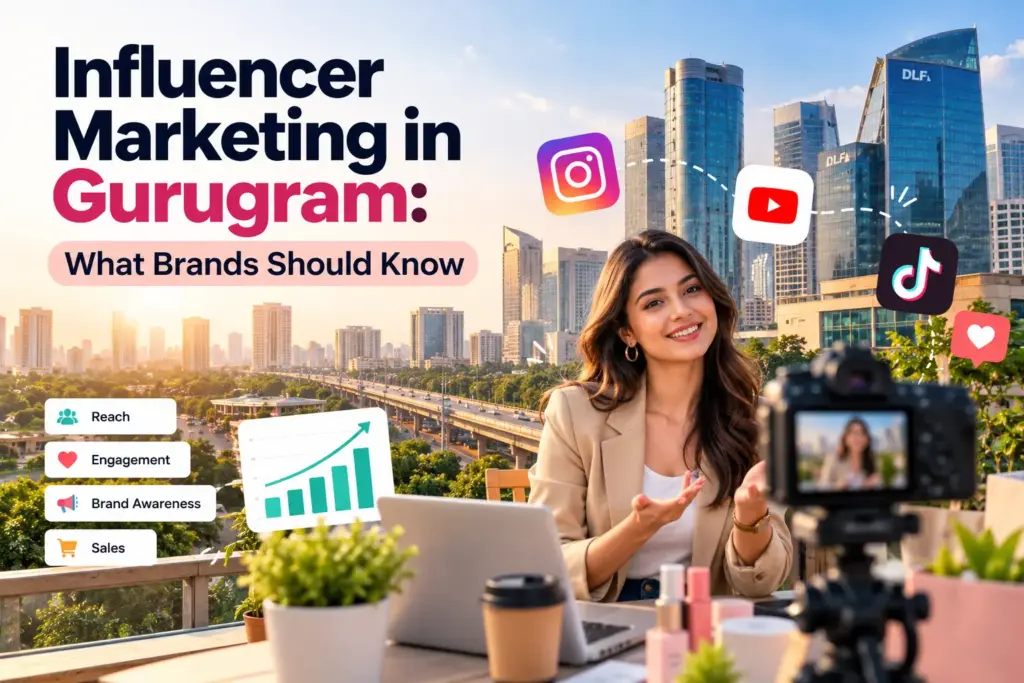
Gurugram has a diverse business landscape, spanning technology, real estate, finance, hospitality, fashion, and consumer brands. As businesses compete for attention across digital channels, creator-led content offers another way to introduce products, communicate brand values, and influence purchasing decisions.
However, successful campaigns require more than finding popular social media personalities. Brands need to understand their audience, choose relevant creators, select appropriate content formats, and define how success will be measured.
For businesses planning influencer marketing in Gurugram, the priority should be building campaigns around customer behaviour and business objectives rather than follower counts alone.
Gurugram is not a single, uniform audience. A technology startup targeting business professionals has different communication needs from a restaurant attracting nearby residents or a property developer reaching prospective homebuyers.
Before shortlisting creators, identify the audience you want to reach. Consider location, age group, interests, language, purchasing behaviour, and familiarity with your product.
For local campaigns, decide whether you want to reach consumers across Gurugram or focus on specific residential and commercial areas. Businesses targeting wider markets can also consider audiences across Delhi NCR or other Indian cities.
This distinction helps determine whether local lifestyle creators, industry specialists, or broader-reach personalities are the right fit.
Follower count is an easy metric to compare, but it does not reveal whether a creator can reach your intended customers.
Evaluate potential collaborators using several factors:
Nano and micro-influencers can be useful for niche communities, while larger creators may help campaigns achieve broader exposure. Neither category guarantees better results in every situation.
The best selection depends on the campaign objective, available budget, and expected audience response.
Different platforms support different types of discovery, consideration, and engagement. Your choice should reflect how your audience consumes information.
Instagram can suit fashion, beauty, food, lifestyle, hospitality, and consumer products. Reels, Stories, product demonstrations, and event coverage allow brands to communicate visually and encourage audience interaction.
For a Gurugram restaurant, for example, a creator might showcase a dining experience. A lifestyle brand could demonstrate how a product fits into everyday routines.
YouTube is useful when audiences need more detailed information before making a decision. Product reviews, tutorials, comparisons, explainers, and longer integrations can help communicate features and address common questions.
This can be relevant for technology, education, finance, real estate, and other categories where customers need more information before taking action.
Short videos can introduce a product quickly, demonstrate its use, or present a problem and solution. The opening, clarity of the message, and suitability of the format matter more than simply following a viral trend.
Choose formats that support your message instead of trying to publish the same creative across every platform.
Several developments are changing how brands discover creators and evaluate campaigns.
AI-assisted creator discovery: AI tools can help organise creator research and identify potential collaborators based on content, audience signals, and campaign requirements. Human review remains essential for assessing authenticity, brand fit, and creative quality.
Creator-led advertising: Brands can develop creator-style videos for organic distribution and, with appropriate permissions, test selected assets in paid advertising campaigns.
Long-term creator partnerships: Repeated collaborations can provide more consistent brand exposure and allow creators to communicate product benefits over time instead of relying entirely on one-off sponsored posts.
Experiential campaigns: Store openings, product launches, brand events, and local experiences can give creators opportunities to produce original content while connecting digital audiences with real-world activities.
Performance-focused measurement: Brands are increasingly interested in connecting creator activity with meaningful outcomes, including website visits, enquiries, qualified leads, and sales.
These trends should inform campaign planning, but not every business needs to adopt every new format. Select the approaches that suit your audience and resources.
A well-defined campaign brief helps brands and creators work towards the same outcome.
Start by identifying one primary objective. This might be increasing awareness of a new product, generating qualified enquiries, driving traffic to a landing page, or supporting sales.
Next, establish the campaign requirements:
For example, a property developer might prioritise relevant enquiries and property-page visits, while a restaurant may focus on local reach, offer redemptions, and attributable visits.
A clear objective prevents teams from judging every campaign by the same metrics.
Campaign costs vary according to creator popularity, audience quality, niche, platform, content requirements, production expenses, and usage rights.
A campaign involving several local creators may have a different cost structure from one featuring a well-known personality or requiring extensive video production.
Before approving a proposal, clarify creator fees, deliverables, revisions, production costs, exclusivity, and whether the brand can reuse the content in paid advertising.
Also account for campaign management and reporting where applicable. Comparing complete proposals makes it easier to understand what your budget actually covers.
Rather than selecting creators solely because they charge less, assess the relevance of their audiences and the value of the agreed deliverables.
The metrics you track should match the campaign objective.
| Objective | Useful metrics |
| Brand awareness | Reach, impressions and video views |
| Engagement | Comments, shares, saves and engagement rate |
| Website traffic | Link clicks and website sessions |
| Lead generation | Qualified enquiries and cost per lead |
| Sales | Tracked orders, revenue and acquisition cost |
Use UTM-tagged links, dedicated landing pages, creator-specific discount codes, and suitable conversion tracking when possible.
These methods help connect campaign activity with business outcomes, although attribution may not capture every customer interaction. Review the results alongside campaign context instead of treating one metric as a complete measure of success.
Several avoidable mistakes can reduce campaign effectiveness:
Brands should also verify factual product claims and follow applicable advertising guidelines and platform policies. Clear agreements, appropriate disclosures, and a documented approval process help protect both the business and the creator.
Effective influencer campaigns begin with audience understanding, relevant creator selection, clear objectives, and meaningful performance measurement. For businesses in Gurugram, combining creative content with data-driven decisions can help build stronger audience connections and improve campaign planning.
At InfluencerHai, we believe successful influencer marketing starts with understanding a brand’s audience and choosing creators who genuinely align with its goals. By evaluating campaign performance, testing relevant content formats, and learning from results, businesses can build a more sustainable approach to creator partnerships.